
How To Paint an Interior Wall


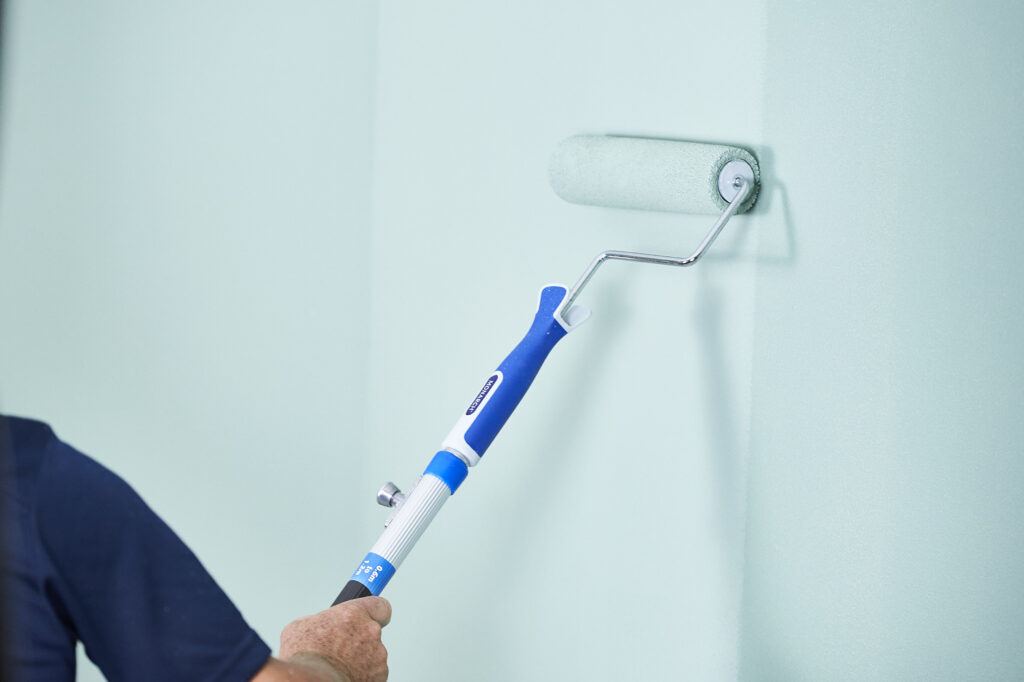
Person painting a wall with roller

A freshly painted wall can completely change the feel of a room. The good news? With the right preparation, the right technique, and quality painting tools, painting an interior wall can be an easy DIY project that can deliver a big visual impact.

Whether you're updating one feature wall, repainting an entire room, or giving your home a full refresh, this step-by-step guide will help you paint with confidence and achieve a smooth, even result.


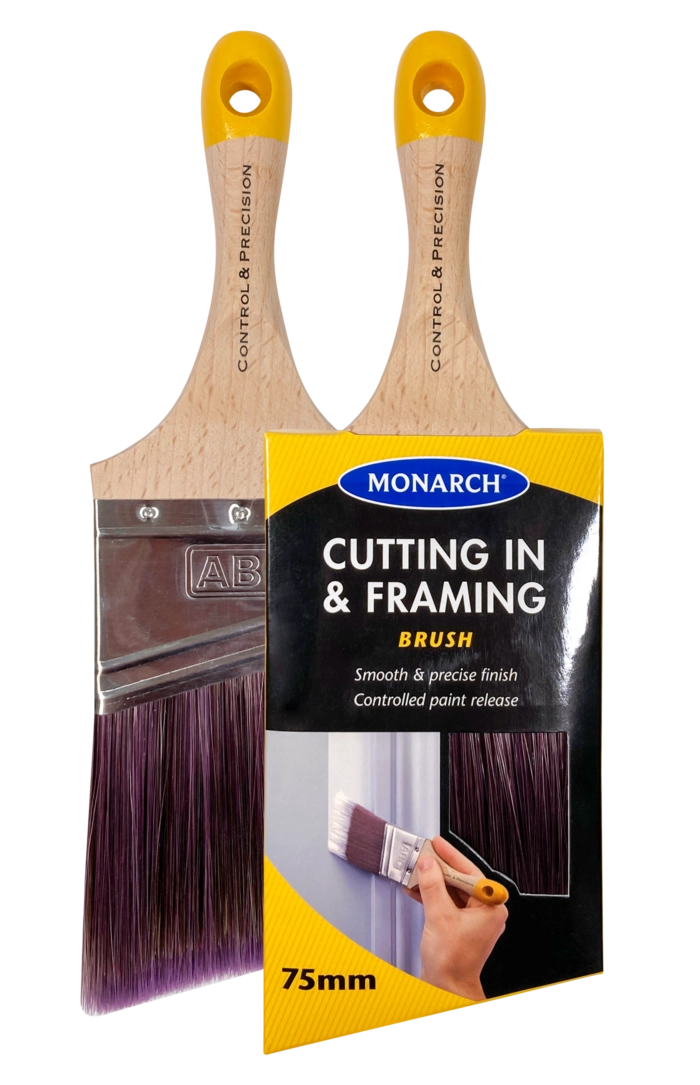
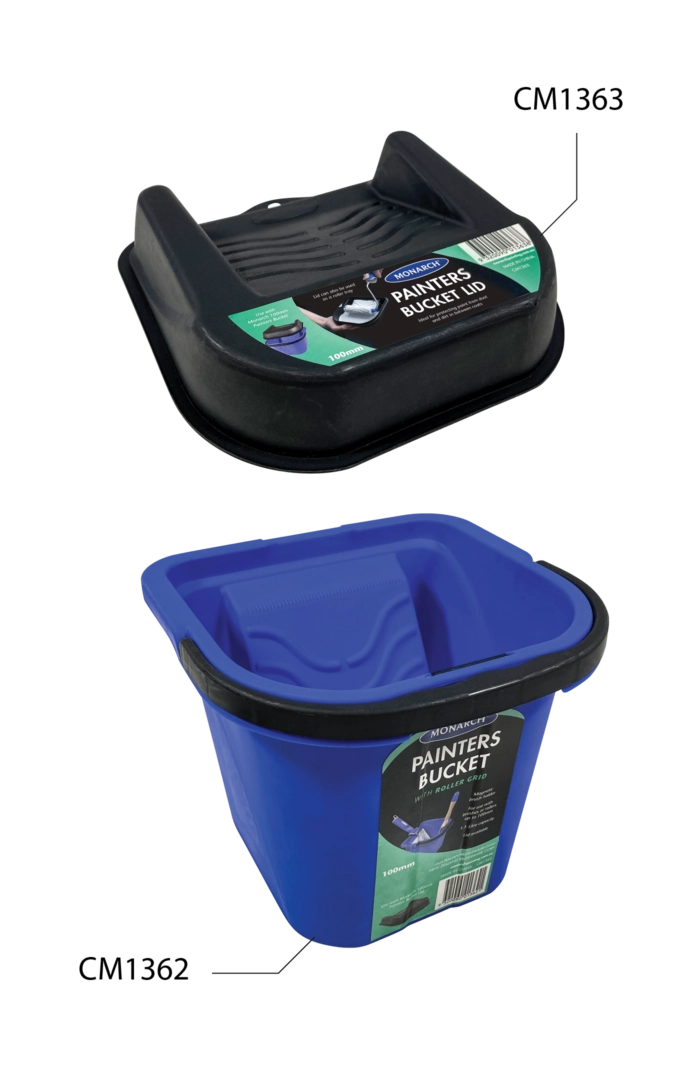
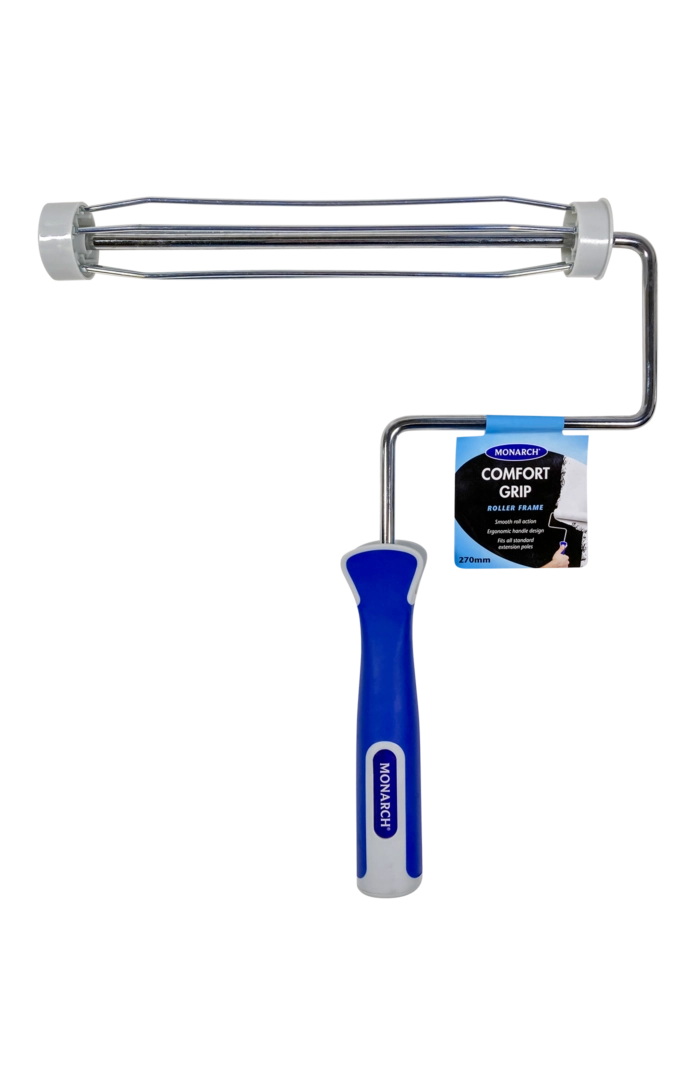
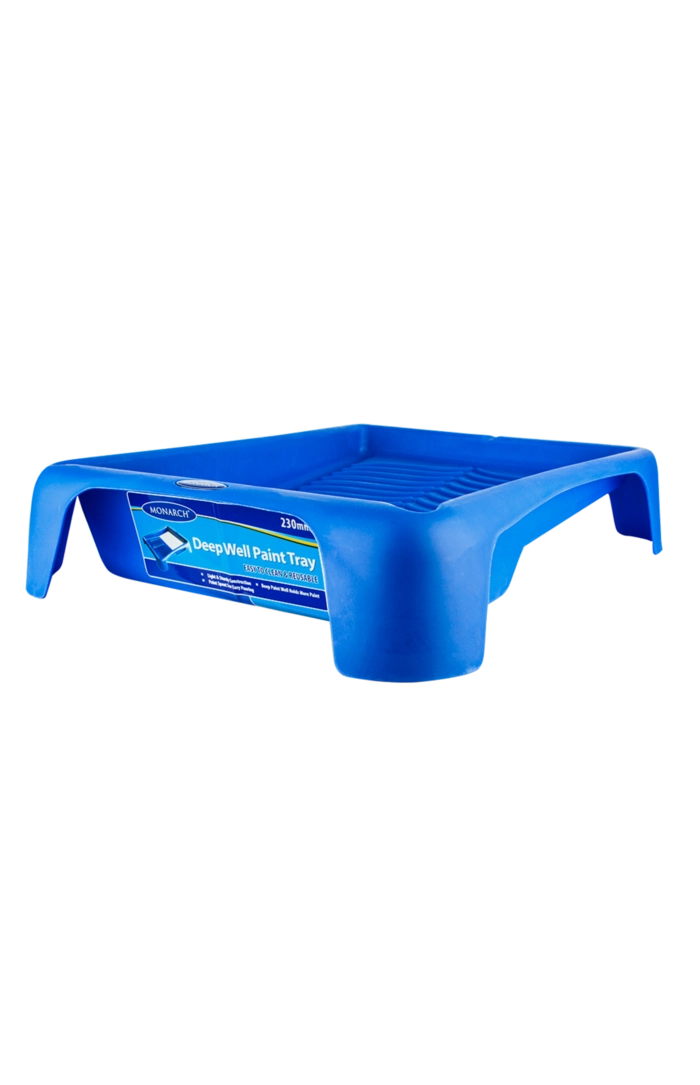
What You’ll Need

Before you begin painting your interior walls, make sure you have the right tools ready to go.

Having quality tools on hand makes the job faster, easier, and far more precise, especially when aiming for an even paint finish.
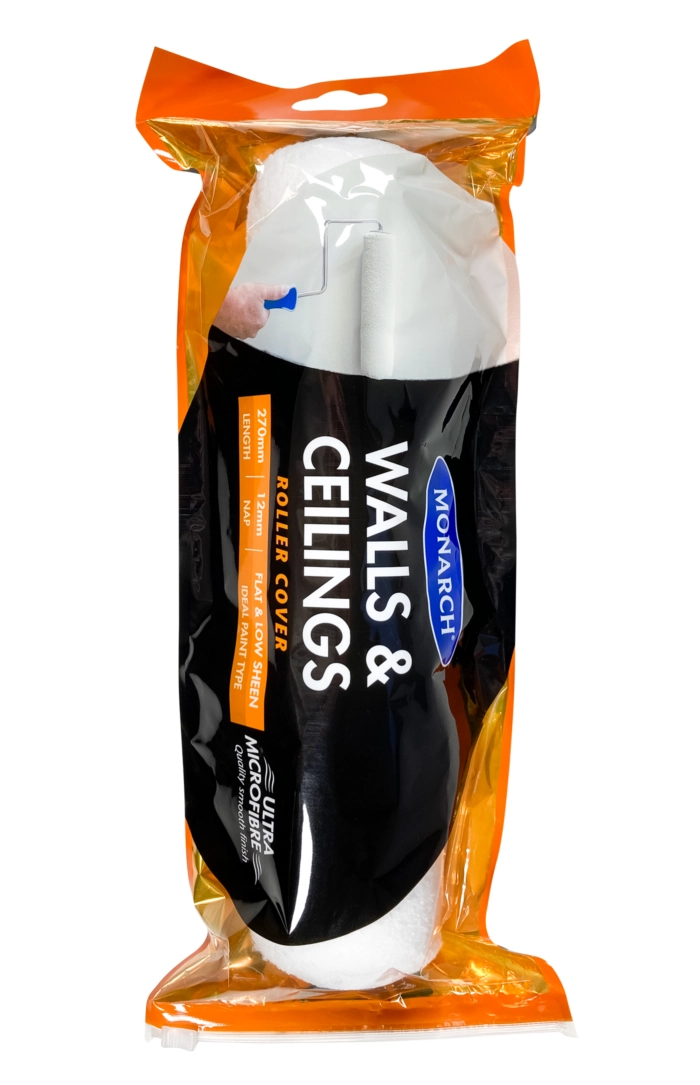
Painting Basics: What Painting an Interior Wall Involves

Painting a wall is more than simply applying a coat of paint.

A successful result starts with proper preparation, choosing the right paint for the surface, and using high-quality brushes and rollers to achieve smooth, even coverage. Understanding how to repaint interior walls correctly helps you avoid common mistakes like patchy paint, roller marks, and uneven edges.

When painting preparation is done right, the painting itself becomes much easier!

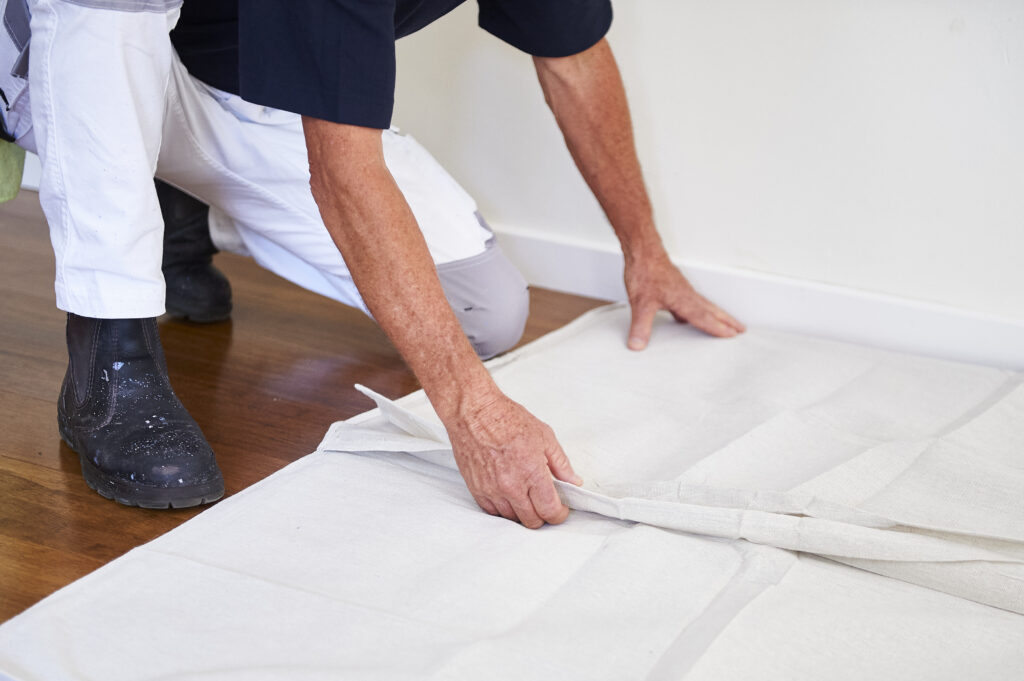
Person laying down protective covering for Paint an Interior Wall

Before You Start: Wall Painting Checklist

Protect the Area

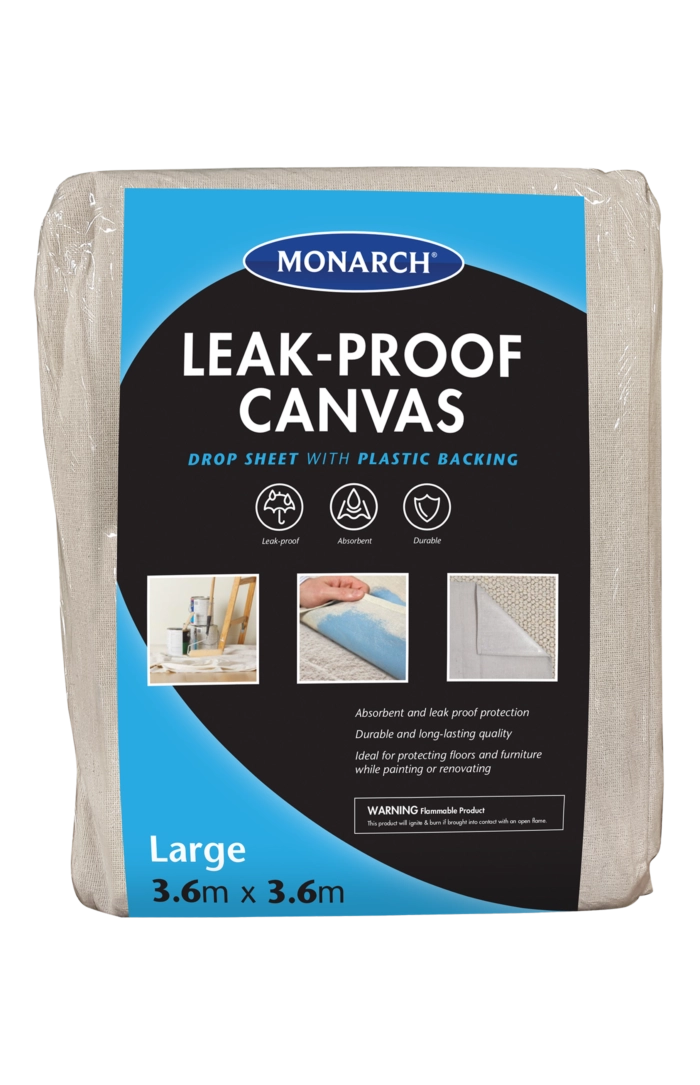
Lay down a drop sheet to protect your floors and furniture from spills, splatters, and dust. Move or cover nearby furniture before you begin.

Clean the Wall

Wash the wall with sugar soap to remove dust, grease, and grime.

Inspect Your Wall

Before starting, check the wall carefully for cracks, holes, dents, or peeling paint. Preparing the surface properly is one of the most important parts of achieving a professional-looking finish.

Seal Small Gaps and Fill Cracks and Dents

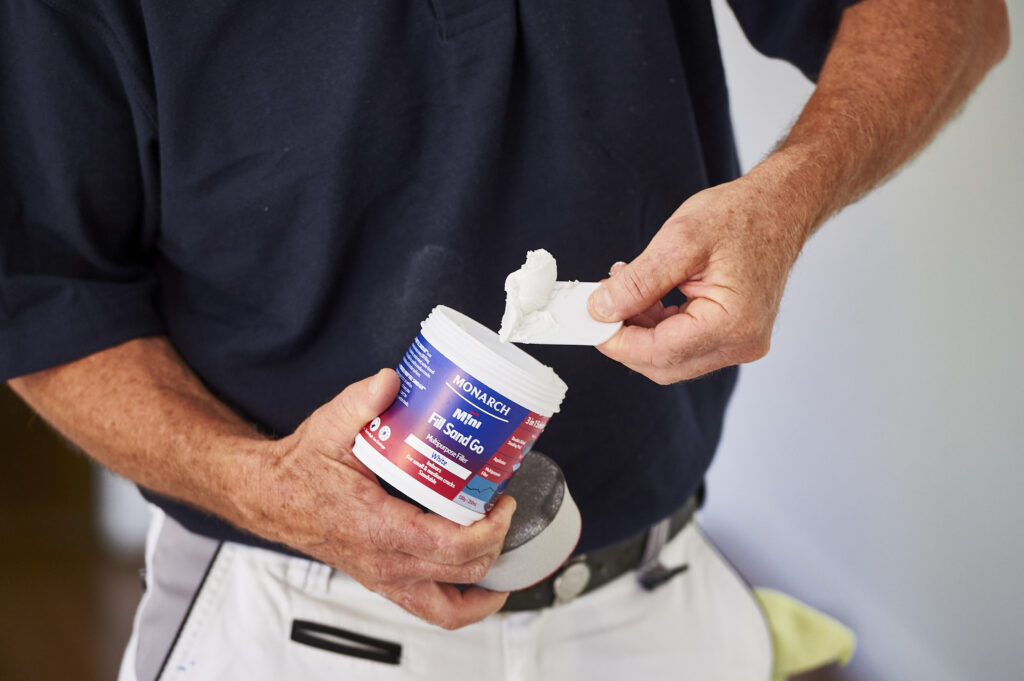
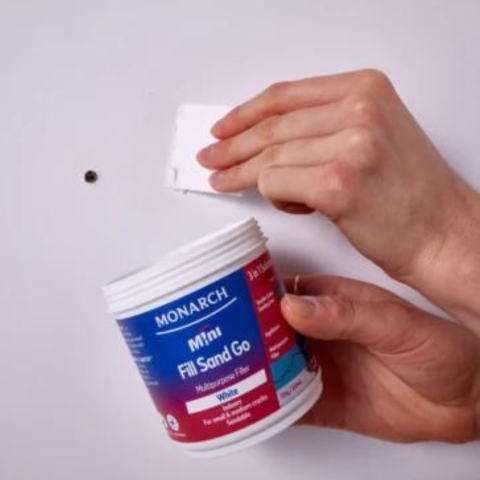
Seal any small gaps around trims or joins, use Monarch Mini Gap Filler to create a neat, professional base. Additionally, Monarch Mini Fill Sand Go can be used to fill any cracks, dents, or holes.

Person used the Monarch Gap Filler on Paint an Interior Wall

Lightly Sand the Surface

Once filler has dry, lightly sand the wall to remove rough patches and create a smooth painting surface. Make sure to wipe the wall clean to remove any dust before painting.

Tape Up Edges

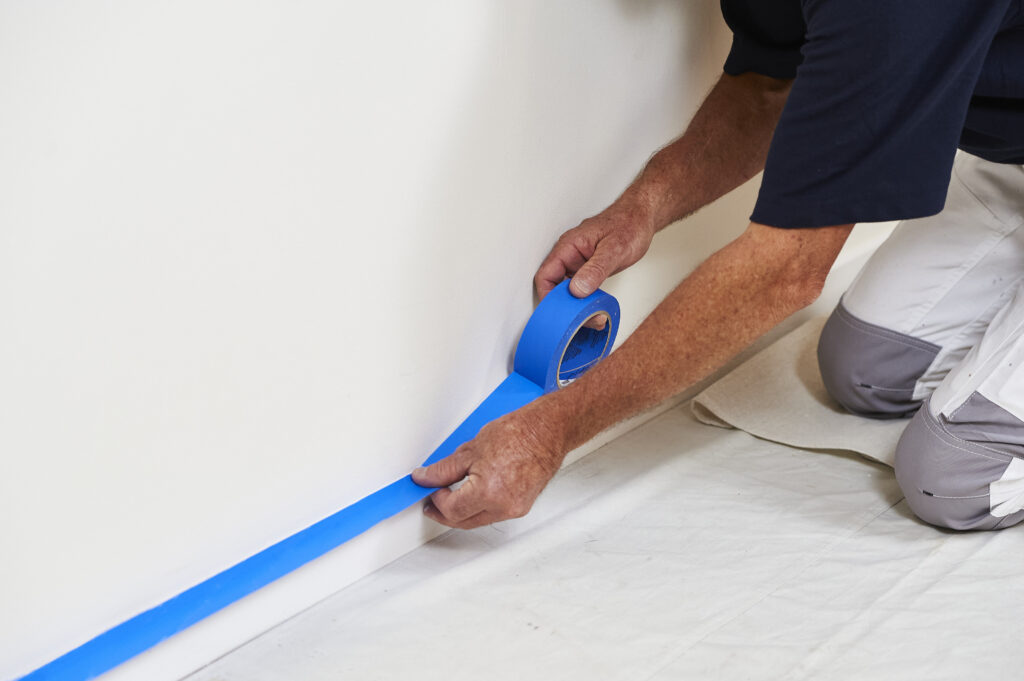
Tape around skirting boards, trims, light switches, and power outlets to help create crisp, clean lines.

If you want to learn more about how to prepare a room for painting, check out our full guide here.

Using masking tape on Paint an Interior Wall

Painting Process: Step by Step

Step 1: Ventilate the Room

Good airflow helps paint dry properly and improves the final finish, especially when painting smaller interior spaces.

Step 2: Cut In Around the Edges

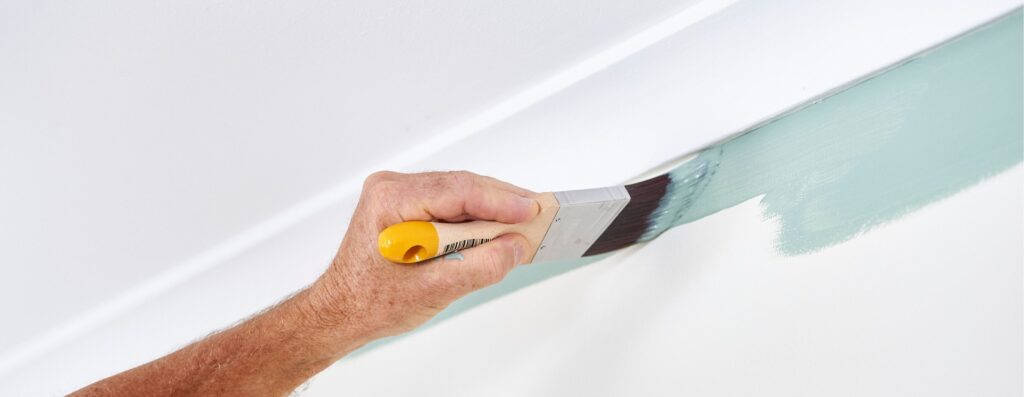
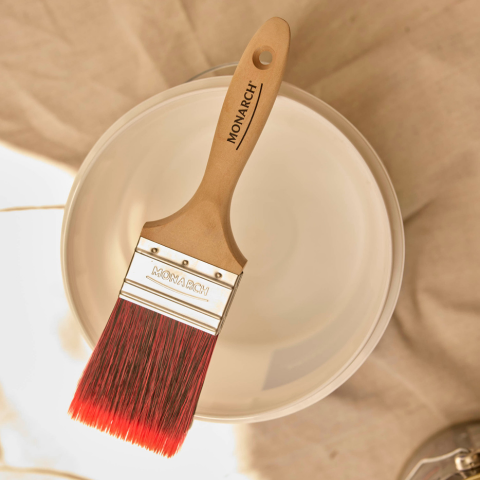
Start painting by cutting in around the edges of the wall. Hold your brush at a 45-degree angle to give yourself better control and cleaner lines.

Hand painting a wall with brush Paint an Interior Wall

Step 3: Roll the Main Surface

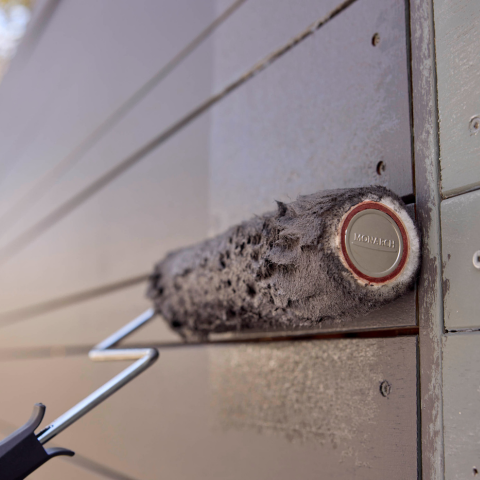
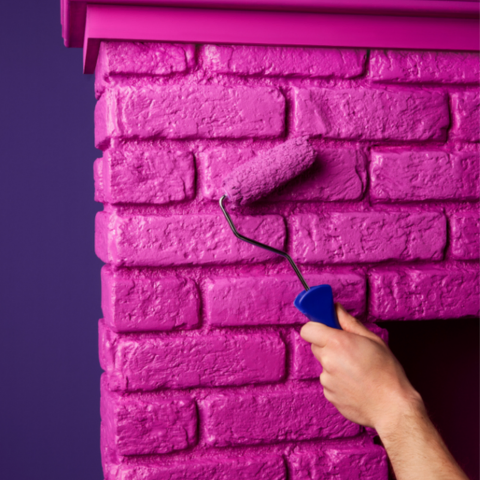
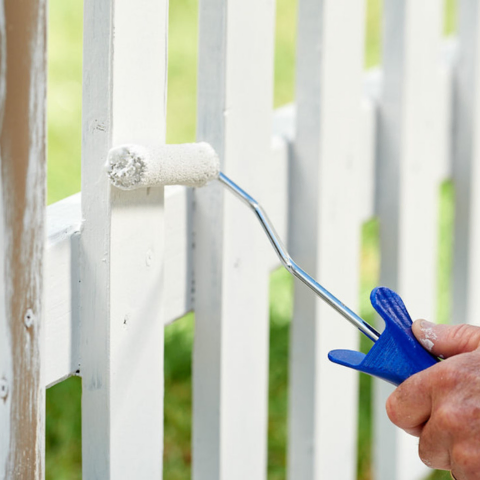
Use your roller to paint the rest of the wall in smooth, even strokes.

Step 4: Allow the Wall to Dry

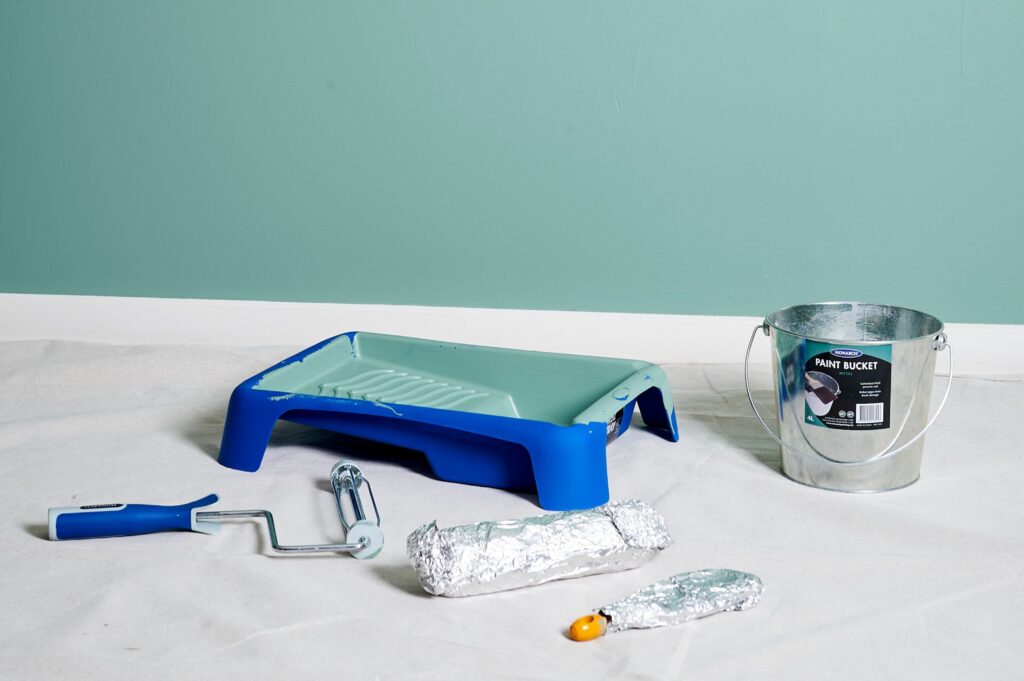
Leave the wall to dry completely. Between coats, wrap brushes and rollers in foil to stop them drying out.

Step 5: Apply the Second Coat

Repeat the same process for the second coat to build colour depth and achieve an even, professional finish.

Step 6: Remove Tape and Touch Up

Carefully remove the masking tape, then fix any missed spots or uneven areas using leftover paint.

Paint supplies on a drop cloth.

Cleaning Your Tools

Looking after your painting tools means they’ll be ready for the next project, and they’ll perform better for longer.

  • Wash brushes and rollers thoroughly to remove excess paint.
  • Clean trays, buckets, and extension poles after use.
  • Store everything in a clean, dry place.

Conclusion

Learning how to paint an interior wall is a simple and rewarding way to transform your home. With the right preparation, the right technique, and quality paint accessories, you can achieve a smooth, professional-looking finish with confidence.

Monarch tools are deliberately designed to give you greater control, more coverage, and deliver a reliable performance, helping you complete every painting project with ease and achieve results you’ll be proud of.

FAQs

How do you prepare and paint a wall?

Clean the wall with sugar soap, repair any damage, sand the surface smooth, apply primer if needed, then paint using a quality brush and roller.

How do you clean a painted wall without removing the paint?

Use a soft cloth with mild detergent and water. Avoid harsh scrubbing. Diluted sugar soap can also be used for stubborn marks.

How do you paint a wall with a roller?

Load the roller evenly, then apply paint in vertical sections. Use steady pressure and avoid overloading the roller with paint, this helps to avoid roller marks.

How many coats of paint should go on a wall?

Two coats are usually recommended for full coverage and durability. Always check the paint manufacturer’s instructions on the tin.

How do you touch up patchy paint on a wall?

Usually caused by uneven application or poor surface prep. Use a small brush or mini roller and apply thin layers, blending carefully into the existing painted area.

Other DIY & How To Guides